

The Myth of Rigged Games
Many individuals entering casinos for the first time often harbor a common belief that games are rigged against players. This perception is fueled by tales of bad luck and lost bets, making it seem that the odds are stacked unfairly. However, the reality is more nuanced; casinos operate under strict regulations and oversight, and players can find fairness in various options, including casino online nz , which provide transparency and accountability. Most games are designed with a house edge, which is a built-in statistical advantage that ensures the casino makes a profit over time.
The term “rigged” implies deliberate manipulation, which is not the case in reputable establishments. Casinos use Random Number Generators (RNGs) for digital games, ensuring outcomes are random and fair. These systems are regularly tested and certified by independent agencies to maintain integrity. Players may have losing streaks, but this is part of the inherent nature of games of chance, not evidence of foul play.
Moreover, understanding the odds can help players make informed decisions. For example, games like blackjack and poker offer better odds than slots or roulette. Knowledge about these odds allows players to choose games wisely and strategize their play, thereby diminishing the feeling of being ‘rigged’ against. Hence, while casinos do have a profit margin, they are not inherently rigged; rather, they are calculated environments designed to provide entertainment.
The Role of House Edge
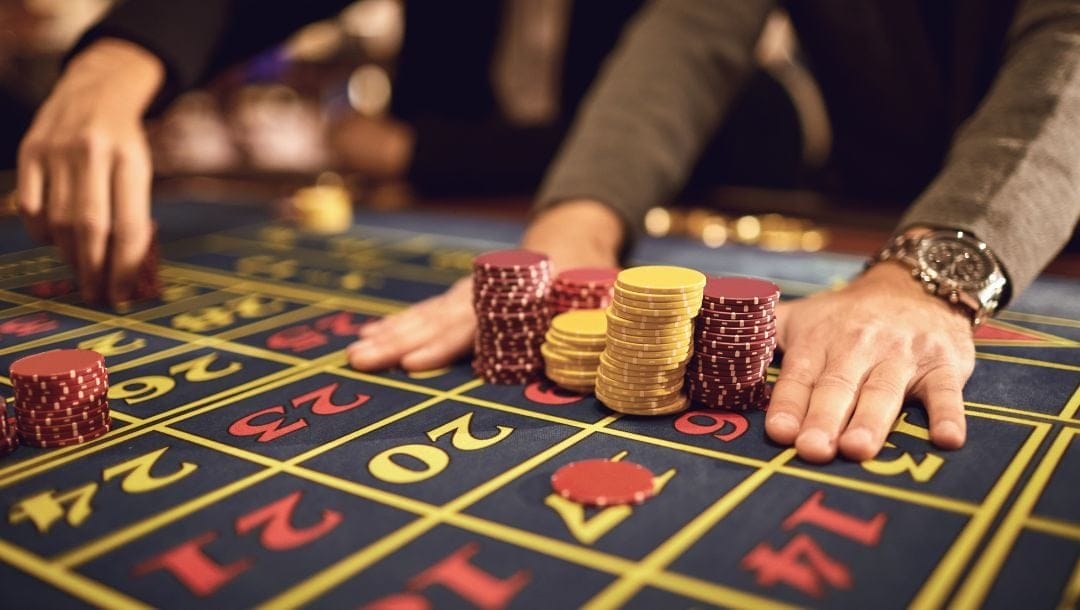
The house edge is a fundamental aspect of gambling that often contributes to the myth that casinos are rigged. This term refers to the statistical advantage that a casino has over players in any given game. For instance, in a game of roulette, the presence of the green zero gives the house an edge regardless of the players’ strategies. Understanding this concept can help demystify the outcomes of casino games.
Many players may feel deceived when they realize that the house always has an upper hand. However, it’s essential to recognize that this edge is what keeps the casino profitable and operational. If games were entirely fair without any edge, casinos would quickly go bankrupt. The house edge is a necessary feature that sustains the business model while still providing an enjoyable gaming experience for patrons.
Additionally, savvy gamblers can leverage their understanding of the house edge to develop strategies that minimize losses. By choosing games with a lower house edge, players can increase their chances of walking away with winnings. Thus, while the house edge indicates that the casino will win in the long run, it does not invalidate the fairness of the games or imply that players are being cheated.
Common Misconceptions About Casino Operations
Another prevalent myth is that casinos manipulate games on the fly to ensure they win. This could involve changing the odds of a game or tampering with slots. Such practices would not only be illegal but also impractical. Reputable casinos invest heavily in ensuring fair play as any scandal or cheating incident could severely damage their reputation and business. In a competitive industry, maintaining trust is crucial for customer retention.
Moreover, casinos are monitored by regulatory bodies that enforce strict standards and ensure compliance with fair play laws. Regular audits are conducted to assess game fairness and RNG accuracy. If a casino were found manipulating outcomes, it would face severe consequences, including fines, loss of licenses, and legal action. Consequently, these regulatory measures provide reassurance to players that they can trust the integrity of the games.
Furthermore, many players fail to realize that slots and table games are designed to deliver random outcomes. For instance, slots are engineered with random payout rates and do not rely on the previous plays. Thus, losing a bet does not affect future outcomes, debunking myths that one might be “due” for a win. Understanding such mechanics can significantly enhance the player experience, enabling a more educated and less superstitious approach to gambling.
The Psychology Behind Gambling
Psychological factors play a significant role in the perception of fairness and the belief in rigged games. Players often attribute their losses to something external, such as the idea of a rigged system, rather than considering their own choices or luck. This mindset can lead to cognitive biases, like the gambler’s fallacy, where one believes that past outcomes influence future results. Recognizing these psychological traps can help players maintain perspective and manage expectations while gambling.

Additionally, the thrill of gambling can cloud judgment. As emotions run high, players may become fixated on the idea that they are being cheated. The reality is that gambling is a game of chance, and while luck plays a significant role, understanding probabilities can help ground expectations. By approaching gambling with a clear mindset, players can enjoy their experience without falling prey to misconceptions about rigging.
Understanding the psychology of gambling can also enhance players’ strategies. By managing emotions and recognizing the inherent risks of gambling, players can make more rational decisions about their bets. This awareness can lead to more responsible gaming, where individuals play for enjoyment rather than solely chasing losses or wins. Embracing this perspective can enrich the overall experience and foster a healthier relationship with gambling.
Conclusion: Understanding the Truth Behind Casinos
In conclusion, the myths surrounding rigged casinos often stem from misunderstandings about how games are designed and operated. The presence of a house edge, coupled with regulatory oversight, ensures that games are fair, even if the outcome is not always in a player’s favor. Players are not considered victims of a rigged system; rather, they are participants in games of chance where knowledge and strategy can influence outcomes.
Addressing and debunking these myths is vital for fostering a more informed gambling community. Players equipped with knowledge about how games work and the importance of responsible gaming practices are likely to have a more enjoyable time. Rather than viewing casinos as adversaries, understanding them as entertainment venues can enhance the overall experience.
For those seeking to learn more about gambling practices, strategies, and the realities of casino operations, countless resources are available. Engaging with trusted platforms can provide insights that further demystify the gambling experience and promote responsible play. Ultimately, knowledge is power in the world of gambling, helping players approach the experience with confidence and clarity.

